
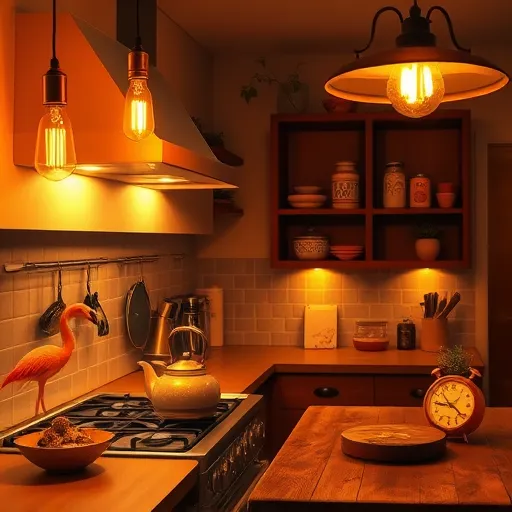
Tips for Selecting Warm Kitchen Lighting to Create a Cozy Space
Why Is Warm Kitchen Lighting Important for Creating a Cozy Atmosphere?
Warm kitchen lighting plays a crucial role in transforming your kitchen into a welcoming and comfortable space. Unlike harsh, cool lighting, warm light replicates natural sunlight during golden hours, fostering a sense of calm and relaxation. When thoughtfully chosen and positioned, it highlights textures, colors, and details, enhancing the overall ambiance. Soft, warm tones encourage family gatherings, effortless entertaining, and enjoyable meal preparations by making the space feel inviting and intimate.
In addition to ambiance, warm lighting reduces eye strain and harsh shadows, creating a more comfortable environment. Whether you are cooking, dining, or simply spending time with loved ones, the quality of kitchen lighting dramatically influences the mood and functionality of the room.
What Are the Best Types of Warm Lighting for the Kitchen?
Selecting the right type of lighting is key to achieving a balanced warm glow. Here are several lighting options that complement a cozy kitchen aesthetic:
- Incandescent and Halogen Bulbs: These traditional light sources naturally produce warm hues with color temperatures between 2700K and 3000K, often preferred for their soft ambiance.
- Warm LED Lights: Modern energy-efficient LED bulbs provide warm lighting with customizable shades and excellent longevity, making them a popular choice for kitchens that need versatile lighting solutions.
- Pendant Lights: Hung over kitchen islands or dining areas, pendant lights with warm-toned bulbs create focal points that enhance both style and warmth.
- Recessed Lighting with Dimmable Features: Strategically positioned recessed fixtures offer subtle illumination that can be adjusted from bright task light to gentle ambient glow.
- Under-Cabinet Lighting: Installing warm-tone under-cabinet lights offers practical task lighting while reducing shadows on countertops, improving both function and coziness.
How Can You Choose the Right Color Temperature for Warm Kitchen Lighting?
Understanding color temperature measured in Kelvins (K) is the foundation of selecting warm lighting. Warm light typically ranges from 2700K to 3000K, which mimics the soft, yellowish glow found in traditional incandescent bulbs. This temperature range enhances wood tones, enhances the natural warmth of paint colors, and creates a comfortable environment.
Choosing a color temperature below 2700K can sometimes produce an overly yellow or amber feel, while going above 3000K begins to shift into cooler white tones, which may feel clinical or less inviting. When selecting bulbs or fixtures, consider the materials and finishes in your kitchen—warm lighting complements natural woods, beige, cream, and earth tones beautifully.
For kitchens featuring cooler palettes such as greys or stainless steel, slightly adjusting toward neutral 3000K ensures the space doesn’t feel too dim or outdated while maintaining warmth.
What Lighting Techniques Can Enhance Warmth in the Kitchen?
Layered lighting techniques are essential for creating depth and coziness in your kitchen design. Here are practical strategies:
- Ambient Lighting: Start with overall room illumination through ceiling-mounted or recessed lights at warm color temperatures. This sets the general tone without overpowering the space.
- Task Lighting: Focused lighting at work areas like countertops, stove, and sinks helps maintain safety and efficiency. Use warm LED strips, pendant lights, or under-cabinet fixtures to deliver concentrated, shadow-free light.
- Accent Lighting: Highlight architectural features, countertops, or decor with softer, directional lights. Using warm-hued bulbs here adds character and draws attention to design details.
- Dimmers and Smart Controls: Incorporate dimmers or smart lighting systems to adjust brightness and warmth dynamically, allowing you to tailor the mood to day or night.
This layering effect balances function with atmosphere, preventing the kitchen from feeling flat or overly bright while ensuring every activity is well-supported.
How Does Fixture Selection Impact Warm Kitchen Lighting?
The choice of light fixtures directly influences not only aesthetics but also how warm lighting is perceived. Fixtures with materials like bronze, brushed gold, or copper tend to reflect warm light beautifully, amplifying the cozy vibe. Decorative shades made of fabric, frosted glass, or lightly tinted glass soften and diffuse light, preventing glare and hard shadows.
For a cohesive look, opt for fixtures that match your kitchen’s style—rustic farmhouse, modern minimalist, or transitional designs. For example, under-cabinet lighting installation using concealed warm LEDs is subtle yet impactful.
Additionally, the fixture shape and size affect light dispersion. Pendants with wider shades spread warm light broadly, while smaller, directional fixtures illuminate specific zones, offering versatility.
What Are Practical Considerations When Installing Warm Kitchen Lighting?
Aside from style and warmth, planning the installation carefully ensures long-term satisfaction. Here are actionable points to consider:
- Energy Efficiency: Choose LED bulbs designed to produce warm light but consume less energy than traditional bulbs, aligning comfort with sustainability.
- Lighting Placement: Avoid placing light directly behind or above your line of sight to minimize glare. Positioning fixtures to cast light downward or at angles helps maintain warmth and comfort.
- Compatibility with Other Surfaces: Light-colored walls and reflective surfaces enhance the warmth by bouncing light, while very dark materials might absorb it, requiring well-thought layering.
- Maintenance and Longevity: Select bulbs and fixtures with easy-to-access designs and long lifespans to reduce replacements and preserve consistent lighting quality.
- Professional Consultation: Engaging experienced installers, such as Northern Star Construction’s team, ensures tailored solutions that meet both functional and aesthetic goals.
As part of a larger kitchen renovation, you might consider complementary services like kitchen remodeling or custom kitchen cabinets to harmonize all design elements with your new lighting plan.
How Can I Incorporate Warm Lighting Into Different Kitchen Styles?
Warm kitchen lighting adapts well to many design styles by emphasizing different elements:
- Farmhouse Style: Use rustic fixtures with exposed bulbs or lantern-style pendants to boost warmth and authenticity.
- Modern Kitchens: Sleek, minimalist fixtures with warm LED technology maintain clean lines without sacrificing coziness.
- Traditional Designs: Ornate chandeliers or wall sconces with warm tones create inviting and familiar atmospheres.
- Industrial Look: Pair warm Edison bulbs with metal or wire cage fixtures to soften the raw aesthetic.
The flexibility of warm lighting makes it possible to personalize your kitchen to your tastes while ensuring the space remains inviting and comfortable.
What Are the Benefits of Upgrading to Warm Kitchen Lighting?
Upgrading to warm kitchen lighting offers numerous advantages beyond improved ambiance:
- Enhanced Mood and Comfort: Encourages relaxation and social connection in the kitchen area.
- Increased Home Value: A well-lit, attractive kitchen positively impacts potential buyers and appraisals.
- Energy Savings: Modern warm LEDs are energy-efficient, reducing electricity costs over time.
- Customization: Tailored lighting schemes improve daily usability for cooking, entertaining, and dining.
Considering these benefits, many homeowners view lighting upgrades as essential when undertaking whole home renovations or kitchen-specific projects.
Frequently Asked Questions About Selecting Warm Kitchen Lighting
What color temperature should I choose for warm kitchen lighting?
We recommend selecting bulbs with color temperatures between 2700K and 3000K to provide a soft, yellowish glow that creates a cozy atmosphere.
Can I use dimmer switches with warm LED bulbs?
Yes, many warm LED bulbs are compatible with dimmer switches. Using dimmers allows you to adjust the brightness and ambiance according to different times of day or activities.
Is under-cabinet lighting necessary for a warm kitchen?
While not absolutely necessary, under-cabinet lighting is highly beneficial for providing focused task lighting on countertops and enhancing overall warmth without glare.
How does fixture material affect warm lighting?
Fixture materials like bronze, brass, or copper reflect warm light excellently, enhancing the room’s inviting feel, while glass or fabric shades diffuse light softly, reducing harsh shadows.
Should warm kitchen lighting be combined with natural light?
Absolutely. Combining warm artificial lighting with natural sunlight during the day maximizes comfort and balance, making the kitchen feel airy yet cozy.
To start transforming your kitchen lighting for a welcoming and stylish atmosphere, consider kitchen lighting upgrades from Northern Star Construction. Our expert team customizes solutions tailored to your design vision and practical needs, ensuring your kitchen becomes a warm, inviting heart of your home.

